Tupananchiskamama, Peru: Monmouth College students spent unforgettable J-term there
Monmouth, Ill. (01/27/2026) — During the Christmas break academic session known as J-term, a group of Monmouth College students embarked on an unforgettable academic journey to Peru, combining physical challenge, cultural immersion and historical exploration along one of the world's most iconic routes - the Inca Trail to Machu Picchu.
Led by seasoned traveler and Monmouth biology professor James Godde and guided by Fernando, a local expert, the students engaged with history not only through academic study, but through direct physical and cultural immersion in the Andean landscape.
The 11-day trip included five days of hiking the Camino Inka (Inca Trail) to Machu Picchu with Quechuas Expeditions, a local tour operator. The group included students Dante Sardelli '26 of Woodstock, Illinois, Talon Hunter '27 of Avon, Illinois, Madison Hieser '26 of Pekin, Illinois, and Jesia Hossain Choity '27 of Bangladesh, who prepared for the trek with a practice hike near Huchuy Qosqo before beginning the multi-day journey through the Andes. Along the way, they camped on the trail, relied on porters who carried equipment and supplies, and navigated steep stone paths originally constructed by the Incan Empire.
The trail presented significant physical and mental challenges. As Hieser reflected, "The trail presented physical challenges and demanded mental toughness and optimism, making it both the most difficult and rewarding experience."
Despite the intensity of the hike, students emphasized the strong sense of connection formed during the journey. For Hunter, the experience extended beyond the trail itself.
"Going on this trip was a brand-new experience for me," he said. "I loved getting to connect with Professor Godde and all the students. Peru was a wonderful place to visit - the hiking, the people and the culture were all amazing and showed me something in the world that I would not have seen otherwise."
As the group moved through cloud forests, mountain passes and archaeological sites, moments of reflection emerged naturally. Hieser described one such moment in vivid detail:
"At one point, I needed a moment to catch my breath, not from exertion, but from awe. The forest was alive with an energy that was both inspiring and sacred. I thought about the Quechua people and the many Chasquis who once traveled these paths with ease, long before tourists like myself."
She continued, "It felt like an honor to learn about their histories and stories carried through the Andean landscapes and passed down through generations. In that moment, I felt deeply connected to humanity and myself. If I could have spent the entire day there, I would have. It was the perfect place for forest bathing."
One of 'The Seven Wonders'
The group's first view of Machu Picchu came through the Sun Gate (Inti Punku), the traditional entrance used by travelers completing the Inca Trail. Approaching the site on foot offered a powerful sense of arrival and context, situating Machu Picchu within its surrounding landscape rather than presenting it as an isolated monument. After completing the trail, the group stayed overnight in Aguas Calientes and returned to Machu Picchu the following day, allowing for deeper observation and reflection.
For Choity, the experience carried deep personal meaning. "I still can't believe I have done this. I was talking to my best friend after the trip, and she exclaimed, 'Jesia, you hike the Andes, the Andes mountains!' and that made me believe I really did this. I had a notebook filled with the pictures of The Seven Wonders of the World that I used to cut from magazine and newspapers. Now, seeing a picture of Machu Picchu with me in it, seems unbelievable."
Choity emphasized that the value of the experience extended beyond travel.
"This experience is incredibly meaningful, no less valuable than any degree," she said. "Hiking the Andes was always on my bucket list, and this trip allowed me to check off more than I ever expected. Meeting Fernando, experiencing the warmth of the Peruvian people, and witnessing the strength and dedication of our heroes - the porters and our cook - left a lasting impression on me. Seeing what the human body is capable of when pushed with determination has set a new personal standard for me and will continue to inspire me throughout my life. Without a doubt, this was the most memorable J-term of Monmouth College - one that the five of us will always proudly share."
'Trip of a lifetime'
Sardelli echoed that sentiment, highlighting both the joy and impact of the journey. "I am so glad that this was the trip I went on. Our group had so much fun hiking on the trail and the photos we took were so beautiful. If someone is able to physically hike, I highly recommend going to see Machu Picchu. The breathtaking views are hard to miss, and the history of the Incan Empire helps bring it to life. This was a trip of a lifetime."
Godde emphasized the growth he witnessed throughout the experience. "I'm really proud of my students. They came into this with varying abilities and levels of physical fitness, but they all pushed themselves and ultimately completed the hike, which I can attest was one of my more difficult Scots Term endeavors."
Throughout the expedition, Fernando introduced students to Quechua language and cultural perspectives, including the phrase "Tupananchiskamama," meaning "See you next time." The phrase became a symbolic farewell for the group, capturing the gratitude, reflection and sense of connection that remained long after the journey ended.
For those involved, the Inca Trail was far more than a hike. It was an immersive academic experience that blended history, culture, physical endurance and shared learning. By walking the same paths once traveled by the Incas, Monmouth students gained a deeper appreciation for the past and for the power of experiential education, an experience that will continue to shape their perspectives long after returning to campus.
Media Attachments
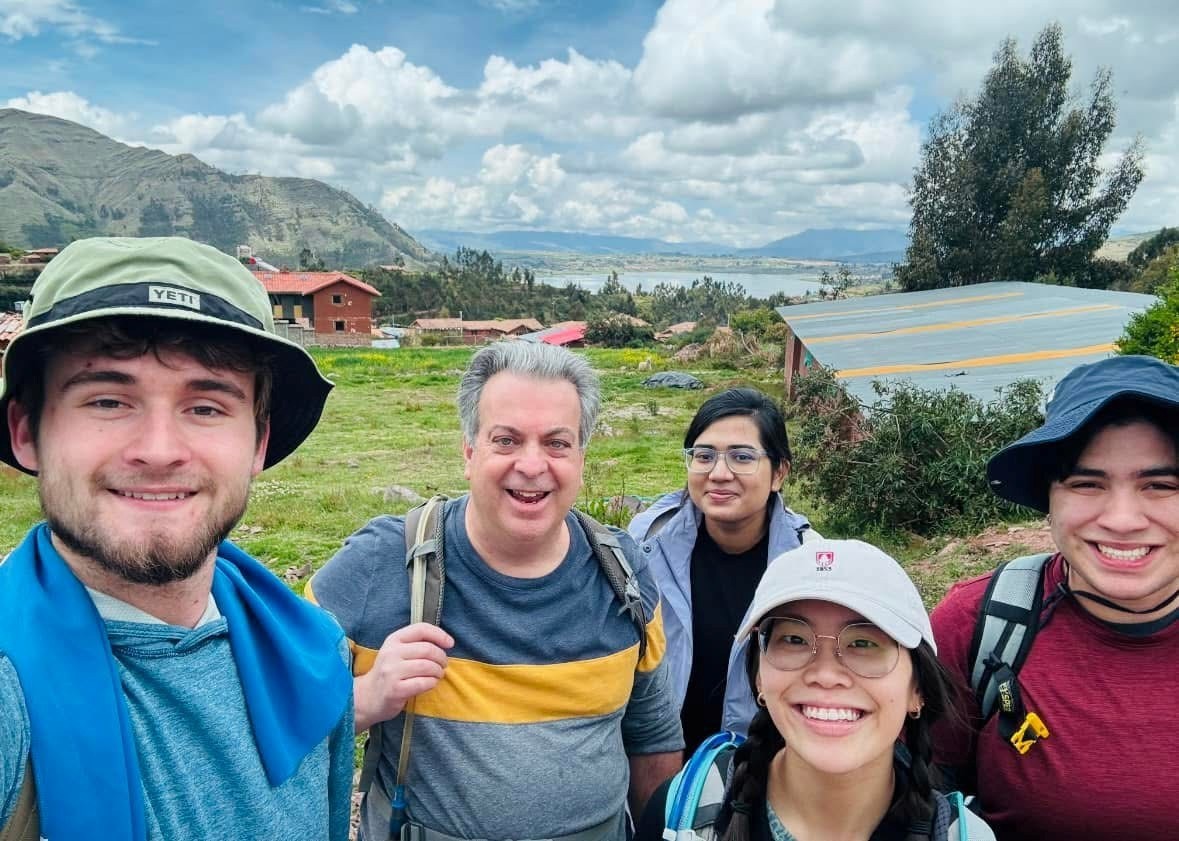
THE INTREPID TRAVELERS: From left, Talon Hunter, biology professor James Godde, Jesia Hossain Choity, Madison Hieser and Dante Sardelli.
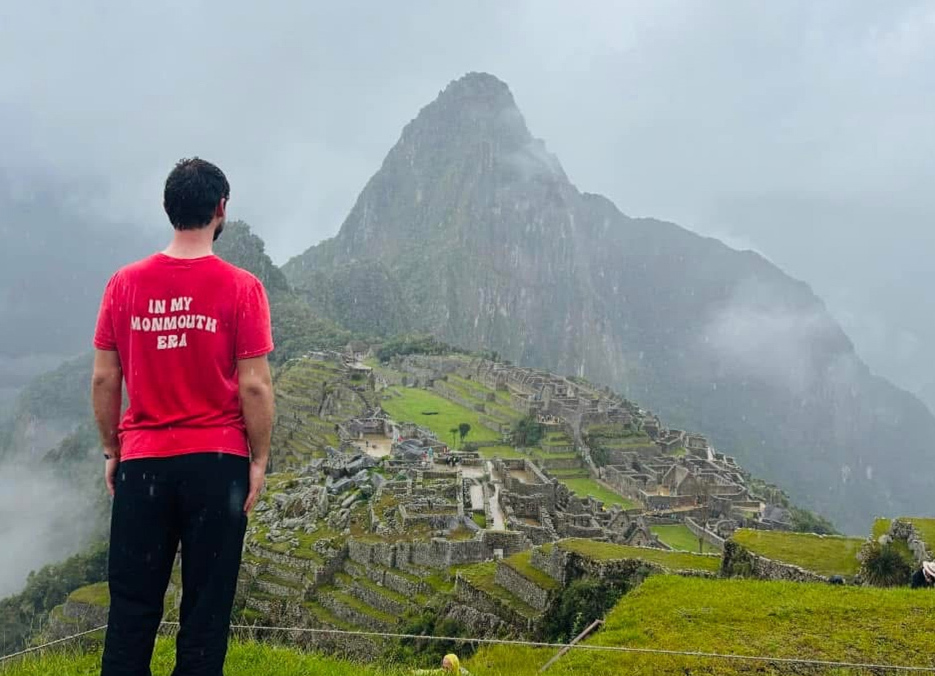
IN HIS PERU ERA: Talon Hunter reflects while observing the Machu Picchu site.

Monmouth College
Barry McNamara 309-457-2117, mcnamara@monmouthcollege.eduShare this Story


Recent News
- Volleyball Wins at Luther on Saturday
- Women's Tennis Finishes Season With Two Saturday Losses
- Kistler's Goal Leads Scots Past Ripon on Saturday
- Braun Accounts for Five Scores, Scots Win 63-7 at Beloit
- Men's Soccer Falls to Ripon on Saturday
- Scots Volleyball Swept at Cornell
- All Runners Deliver Season-Best Performances at Bradley's Pink Classic
- Monmouth College Senior Profile: Ivana Stefanova
- Men's Soccer Falls to Cornell on Thursday
- Scots Fall at IC on Tuesday